
Breakout vs Fake Breakout: How to Tell the Difference Before It Costs You
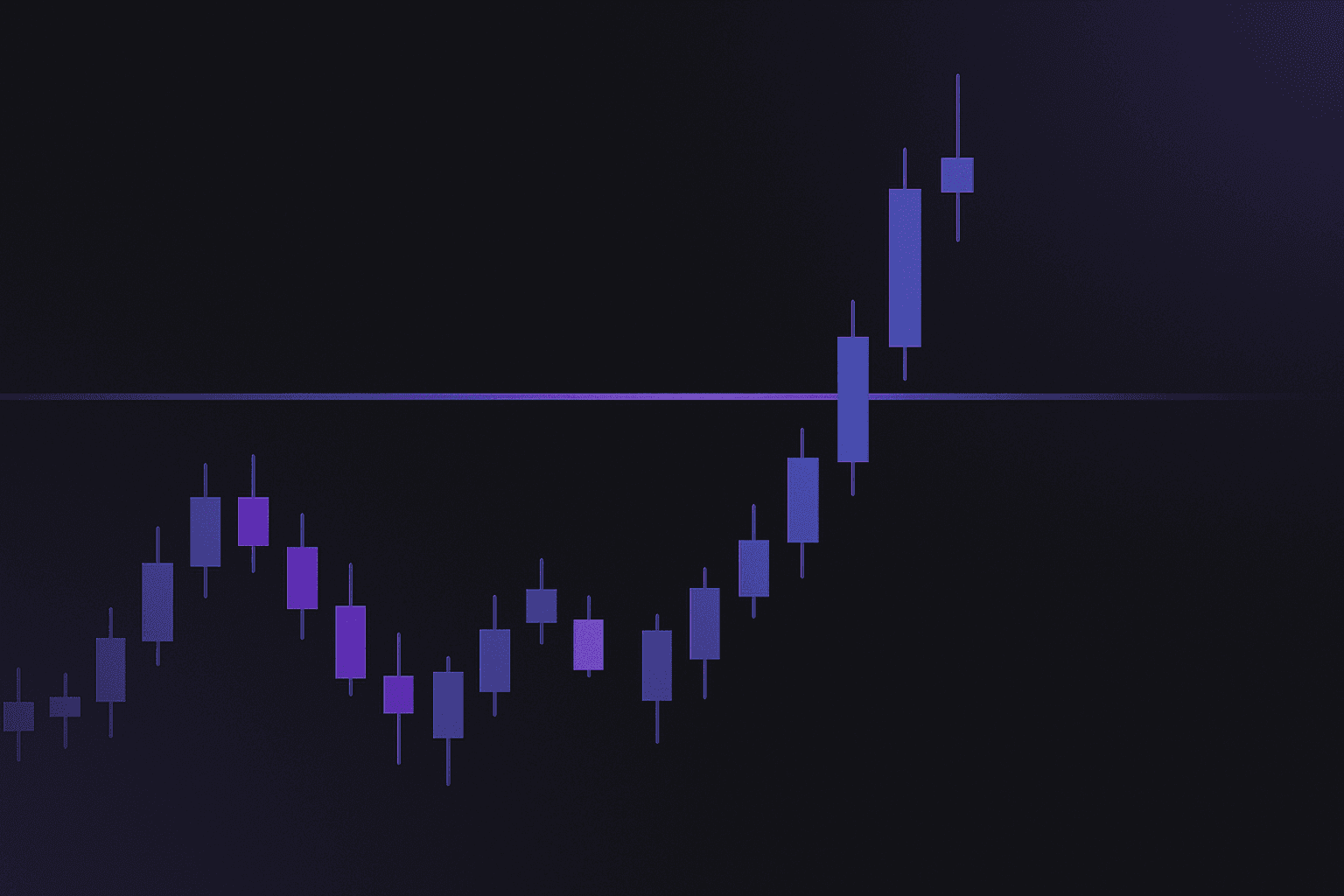
Every trader has been there: price finally breaks a level you've been watching for days, you jump in, and within minutes it reverses hard and hits your stop. That's not bad luck, it's a fake breakout, and it's one of the most common ways traders bleed money without realizing why.
What Is a Real Breakout?
A real breakout happens when price moves decisively through a key support or resistance level and stays there. It's usually backed by momentum: bigger candles, higher volume, and follow-through in the next few candles instead of an immediate reversal.
Pro Tip: A breakout isn't confirmed by a wick poking through a level. It's confirmed when a candle closes beyond it.
What Is a Fake Breakout (Fakeout)?
A fake breakout is when price pierces a level, triggers all the stop-losses and breakout entries sitting just beyond it, then reverses back inside the range. To the traders caught in it, it looks identical to a real breakout, until it isn't.
Why Fake Breakouts Happen
The usual causes:
- Liquidity grabs, larger players need liquidity to fill big orders, and stop-losses clustered beyond obvious levels are an easy source
- Low-volume sessions, thin liquidity (Asian session, pre-news) lets price spike through levels on very little real volume
- Round numbers and obvious levels, the more traders watching a level, the more attractive it is to hunt before reversing
- News spikes, a headline causes a violent wick that has nothing to do with actual supply and demand
How to Tell Them Apart
- Wait for a candle close beyond the level, not just a wick
- Check for a retest, real breakouts often come back to retest the broken level as new support/resistance and hold
- Check volume, a real breakout usually shows increased participation, not a single erratic spike
- Zoom out, does the breakout align with the higher-timeframe trend and your supply/demand zones, or is it fighting them?
Warning: If a "breakout" only makes sense on your lowest timeframe and contradicts everything on the higher timeframe, treat it as noise until proven otherwise.
A Simple Filter You Can Use Today
Instead of entering the moment price crosses the level, wait for the retest. Yes, you'll get a slightly worse entry price sometimes. But you'll avoid the majority of fakeouts, and your stop-loss can sit tighter, right below the retested level instead of way back before the breakout candle.
TradeTrackz Tip: Tag your breakout trades in your journal and filter by outcome. Most traders are shocked to discover their "breakout strategy" is actually a 30% win-rate strategy carried by a couple of big winners, data your journal will show you that memory never will.
Conclusion: Stop Getting Trapped by Fakeouts
Fake breakouts aren't bad luck, they're a predictable market behavior once you know what to look for. Close beyond the level, wait for the retest, check the higher timeframe, and you'll filter out most of the traps that catch impatient traders.
Ready to find out if your breakout strategy actually works? Try TradeTrackz free for 7 days and let the data tell you.